


E-sampling has become one of the most powerful tools in the beauty, perfumery, and FMCG industries. It’s no longer just a “sample for the bag” – but a fully-fledged strategy that combines consumer psychology, technology, and packaging design. At a time when consumers expect experiences and personalization, a well-designed sampling campaign can significantly boost sales, loyalty, and brand awareness.
In this article, we present six proven ways to get ahead of the competition through e-sampling – supported by research, market insights, and examples of brands already doing it successfully. So, what really works?
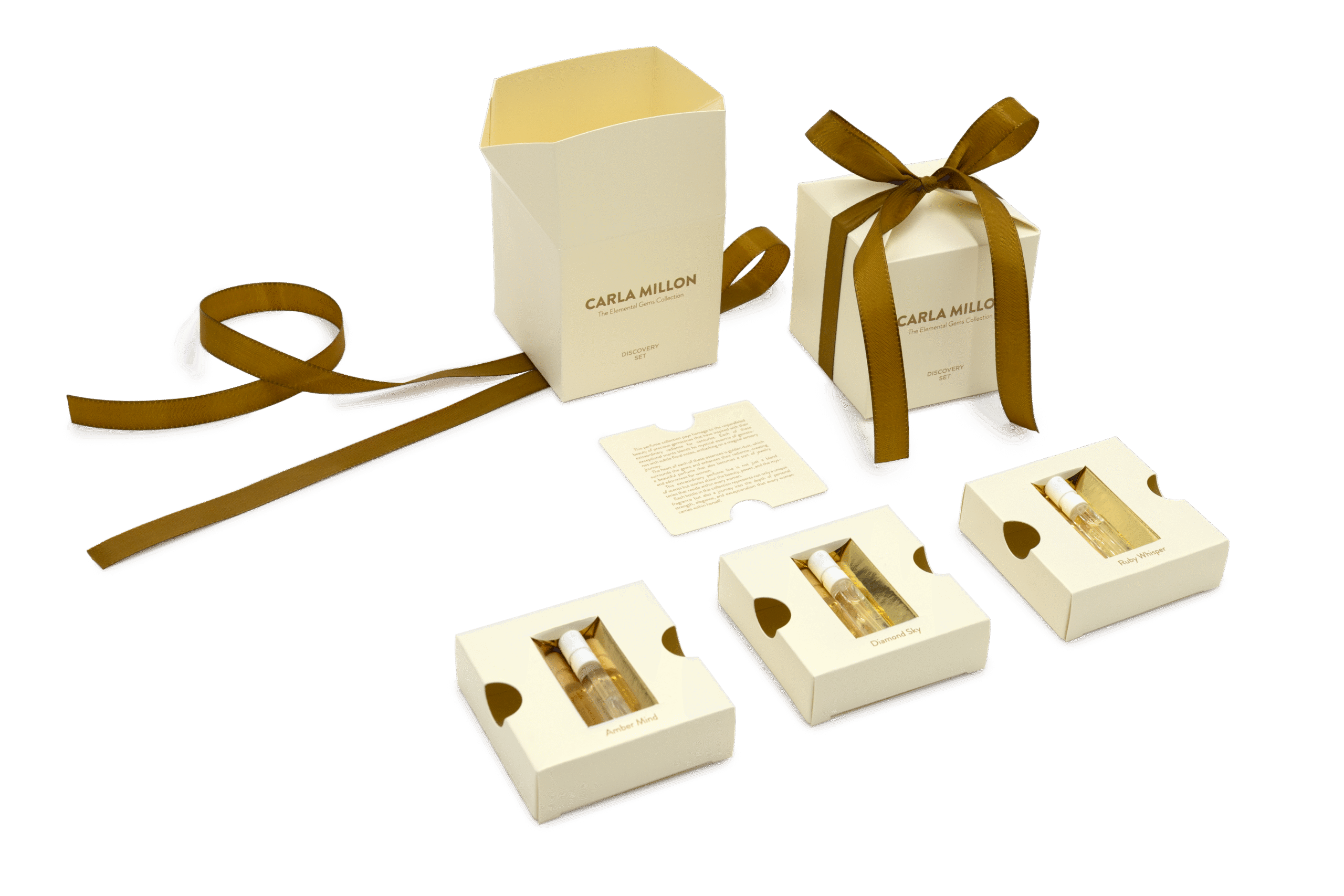
1. Personalized packaging – first impressions make the difference
In the world of e-sampling, packaging serves not only a protective function but also a communicative one. It becomes the first physical touchpoint between the consumer and the brand – the moment when the online experience materializes in the offline world. According to the Packaging Matters Report, 72% of consumers base their purchase decisions on packaging design. This means that even a small, well-designed and personalized sample can tip the scales toward purchasing the full-size product.
Personalization doesn’t have to be limited to printing the recipient’s name. Increasingly, brands use purchase insights and consumer preference data to prepare samples tailored to specific needs or lifestyles. For example, cosmetic samples can be sent in variants matching the customer’s skin type, marked with a dedicated message (“For sensitive skin – gentle care every day”) based on past purchases. This way, the recipient feels that the brand is speaking directly to them, not to a faceless mass of consumers.
2. Unboxing experience with a “wow” effect
For several years now, unboxing has evolved from a simple moment of unpacking into a key element of experiential marketing. Consumers today expect not only product quality but also emotional engagement during the first contact. According to Nielsen, 64% of consumers say they would try a new product simply because they liked its packaging. In e-sampling, this rule is especially relevant: the sample is no longer an add-on but a mini-event that can spark a long-term relationship with the brand.
The “wow” effect can be achieved in many ways – through creative opening mechanisms (pop-up elements, pull-out trays, magnetic closures), storytelling printed inside the package, or interactive features such as QR codes linking to dedicated video content. This transforms the sample package from a disposable carrier into a lasting digital experience – consumers eagerly share such unboxings on social media, naturally amplifying the campaign’s reach.
3. Ecological approach – sustainability as an advantage
Sustainability is no longer a niche trend; it has become one of the main criteria consumers use to choose brands. According to an Accenture report, 60% of European consumers consciously prefer products with sustainable packaging. In e-sampling, this aspect carries particular weight – a sample not only tests the product but also communicates the brand’s values and its environmental responsibility.
An ecological approach can take many forms:
- using biodegradable materials (e.g., recycled paper, bioplastics),
- applying monomaterials that facilitate recycling (e.g., packaging made entirely from one type of material),
- embracing minimalist design that reduces material use.
It’s worth noting that simplicity is often associated with transparency and authenticity – “less is more” works both aesthetically and communicatively.
Thus, e-sampling becomes not just a tool for building loyalty and emotional connection but also a component of a brand’s sustainability strategy. A consumer receiving an eco-friendly sample doesn’t see it as waste but as proof of a brand’s responsibility – reinforcing the belief that choosing the full-size product is an ethical and forward-thinking decision.
4. Limited editions and the FOMO effect
The psychology of scarcity is one of the most effective marketing mechanisms. Consumers react more strongly to offers perceived as limited in time or quantity. In e-sampling, the FOMO (“fear of missing out”) effect can be even more powerful, since the sample itself is something free and exclusive. When paired with messages such as “for the first 500 participants only” or “limited edition available this week,” consumers feel the urge to act immediately.
Limited-edition samples can take various forms:
- unique discovery sets created for a product launch,
- seasonal editions (e.g., holiday or summer-themed), which enhance collectability,
- collaborations with influencers or artists, turning samples into storytelling tools.
Such strategies produce two major effects: first, they drive immediate demand and conversion (“I need it before it’s gone”), and second, they generate organic promotion as consumers eagerly share rare or exclusive items online – further amplifying reach.
5. Referral programs – samples that “share themselves”
Nothing influences consumers as strongly as recommendations from people they trust. According to the Nielsen Global Trust Report, 84% of consumers consider word-of-mouth the most credible form of advertising. This makes e-sampling combined with referral mechanics a particularly effective tool – because a sample doesn’t just reach one person; it has the potential to spread naturally within social networks.
Brands increasingly use mechanisms like “refer a friend” or “share your code,” where each participant can invite others to test the product. In practice, this means every sample becomes the starting point for further interactions – instead of a single reach, the brand triggers a snowball effect.
Key advantages include:
- strengthening trust, since the sample is shared via personal recommendation rather than a “cold” mailing,
- increasing organic reach while reducing media costs,
- building a sense of community around the product, encouraging consumers to co-create the campaign’s success.
Referral programs often incorporate gamification elements: for example, recommending a certain number of friends can earn the participant a full-size product, a discount, or access to a limited edition. This makes the sampling experience engaging and rewarding on multiple levels.
6. Test & Learn – A/B testing in practice
The best brands treat e-sampling not only as a promotional activity but also as an experimental field for gathering insights quickly and cost-effectively. Every sample becomes an opportunity to test not only the product itself but also the surrounding communication and packaging.
In practice, this might mean comparing:
- two packaging designs differing in color, material, or layout,
- two communication angles – one emphasizing emotion (“for your confidence”), the other functionality (“24h hydration”),
- different activation mechanisms – one version with a QR code leading to the online store, another linking to an expert advice app.
Such tests provide real consumer data on what actually works, helping brands avoid costly mistakes in full-scale campaigns. At the same time, they enable precise tailoring of communication to various audience segments.
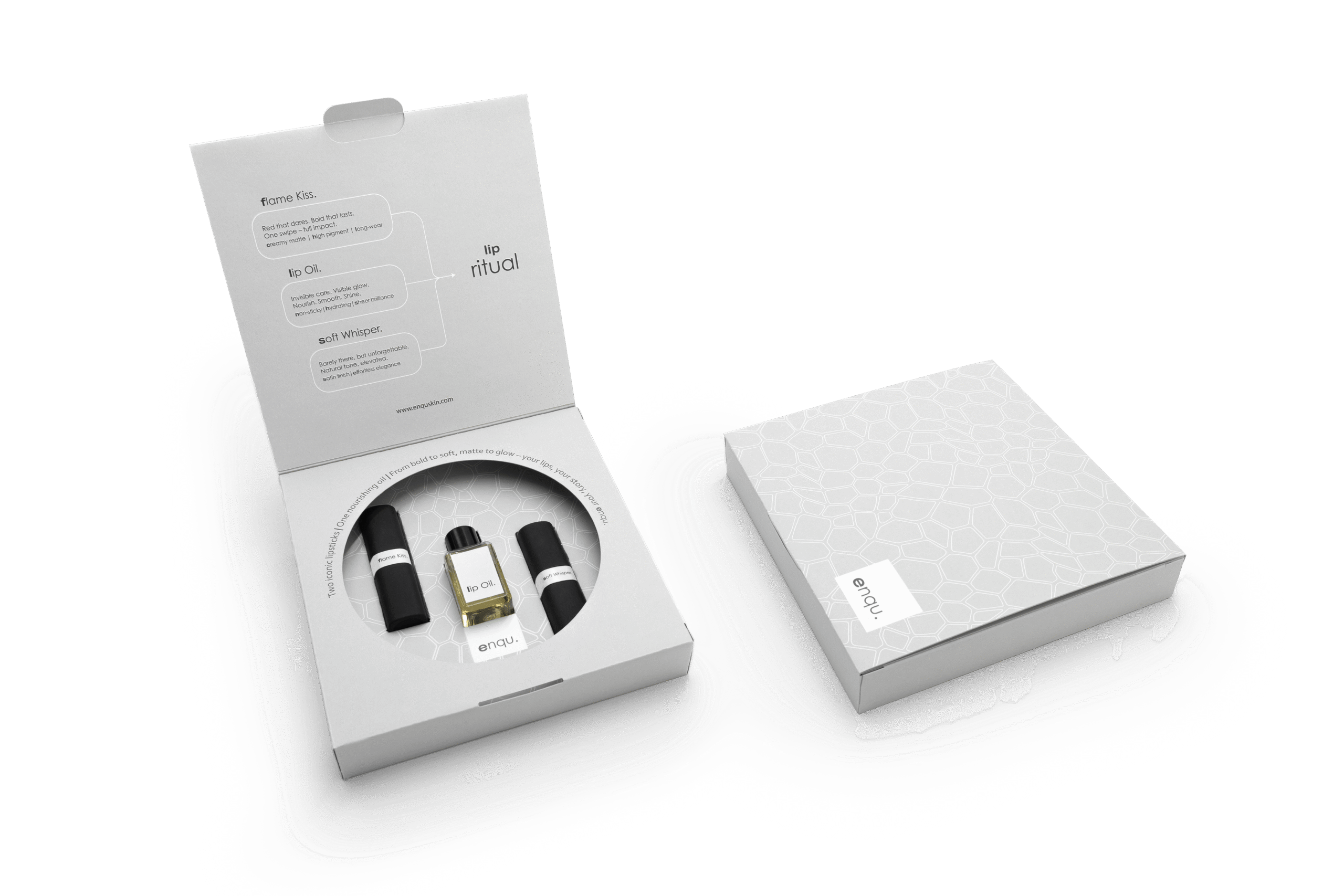
Summary
E-sampling today is not a “marketing expense” but a strategic investment that:
- generates valuable data about customer preferences,
- builds loyalty and storytelling,
- creates memorable sensory experiences,
- directly boosts sales and conversion.
An e-sampling campaign is not about giving away samples – it’s about investing in relationships with consumers. Brands that manage to combine creativity with data precision gain an advantage that is difficult to replicate.